Jamal Conyers
Audio engineer and sound designer.
Jamal Conyers
Audio engineer and sound designer.
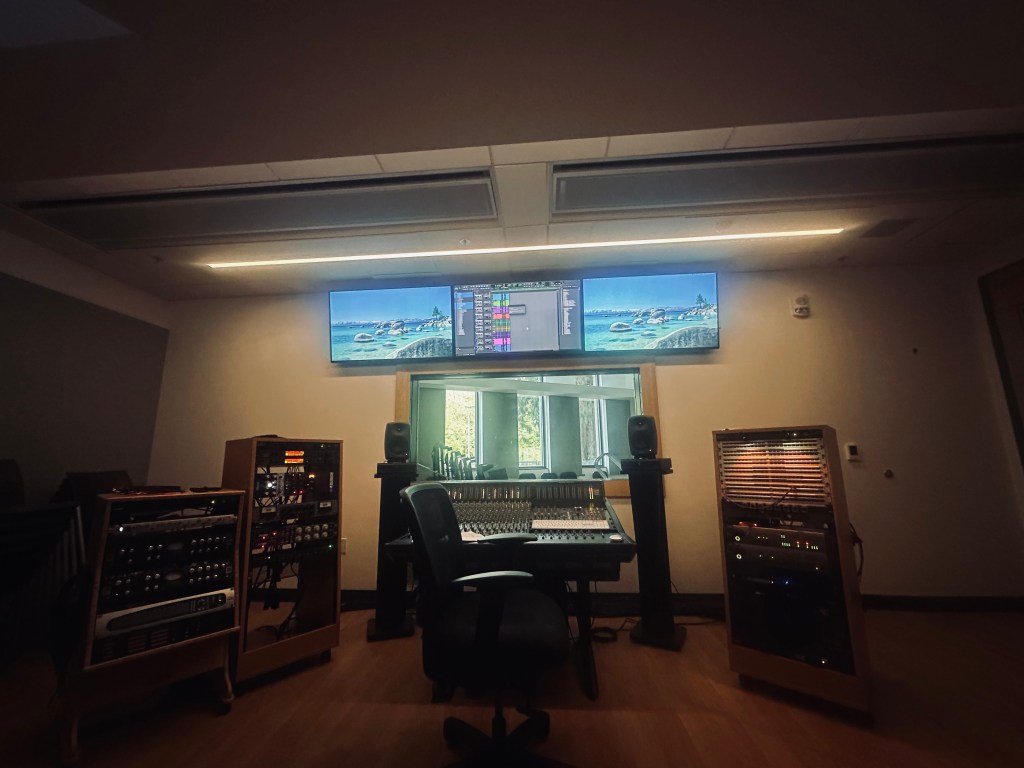
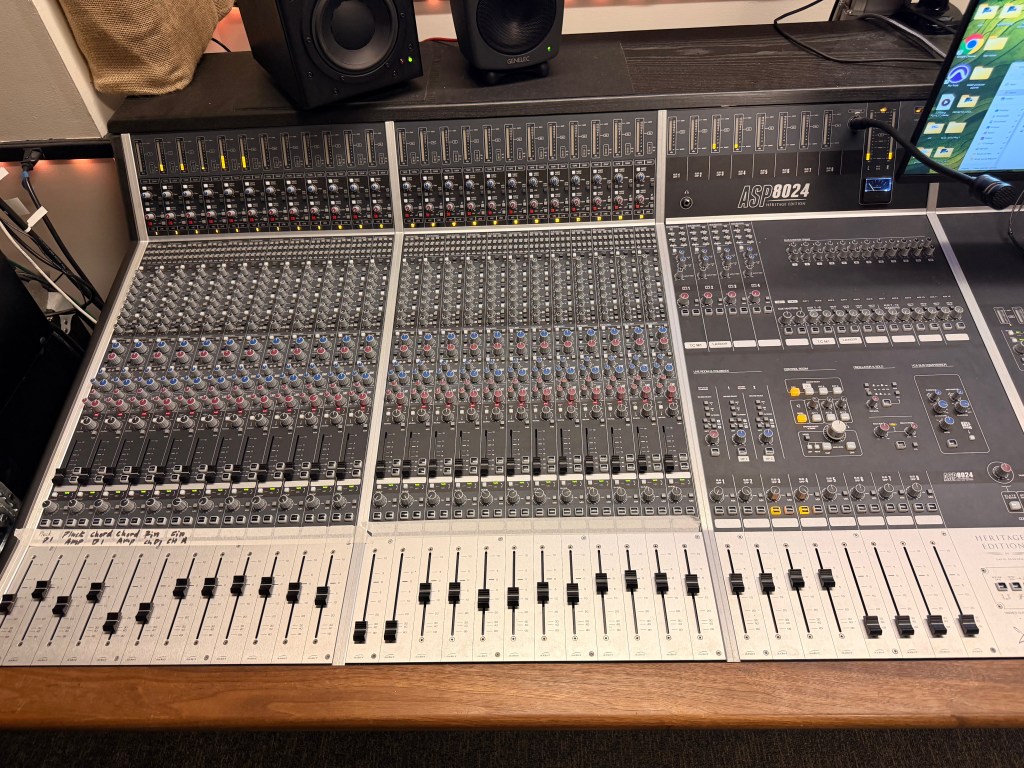
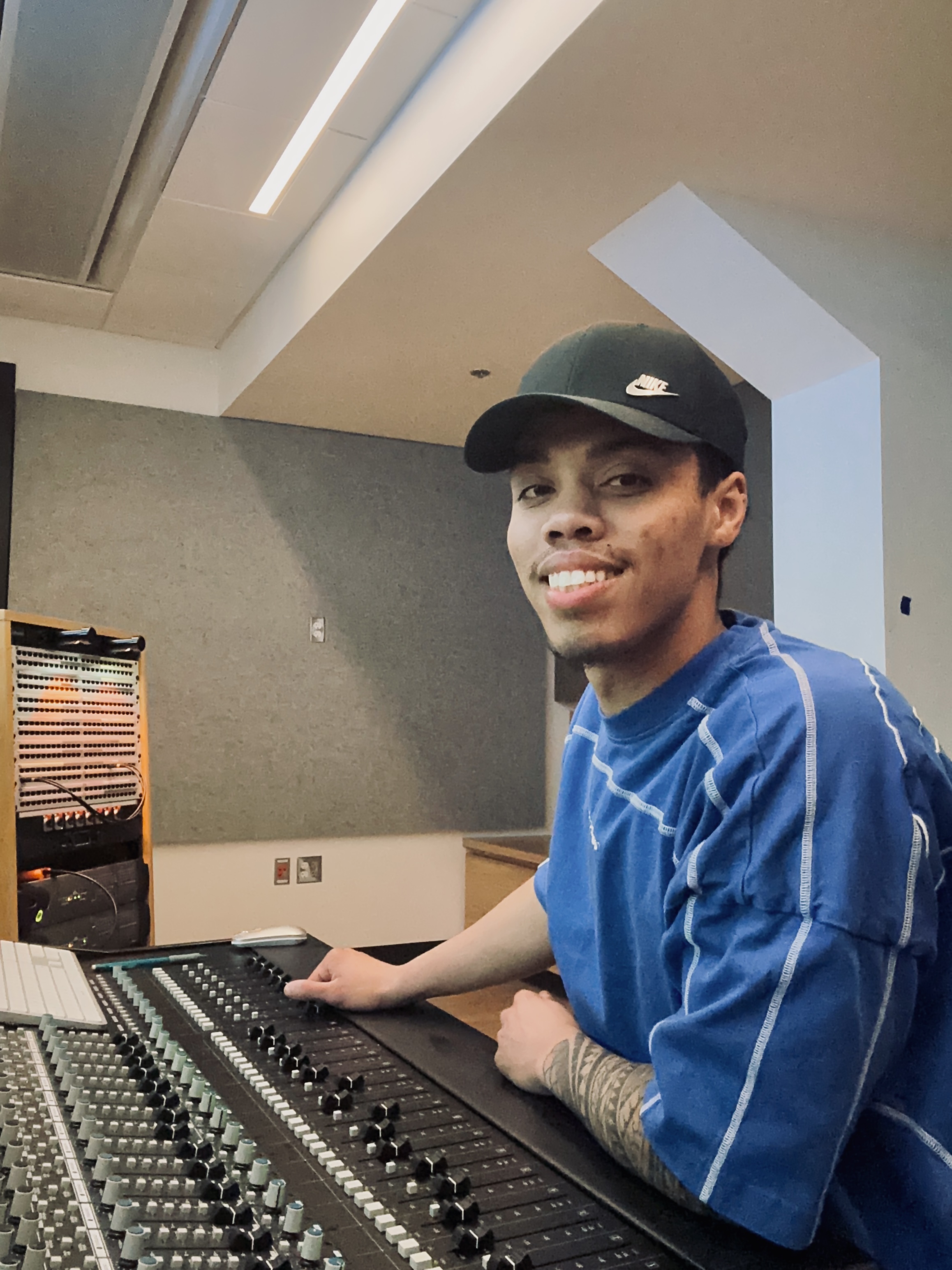
Before I took on the role of audio engineer and began my studies, I spent a lot of time creating and mixing my own songs. As part of my audio engineering experience here at Shoreline Community College, I mixed and recorded songs using mixing consoles such as the Audient 8024 and the SLL Origin. Having access to all the wonderful technology Shoreline offers really opened my eyes and revealed the potential to create better mixes. My process included balancing levels, applying equalization and dynamic processing, enhancing stereo imaging, and optimizing overall loudness while preserving musicality and clarity. Through critical listening and attention to detail, I delivered polished final projects that I could be proud of.
Award-winning mix “Collide” By Moni Blue
“Roberta’s Song” by Roberta Jackowski (Origin SSL)
“Naturally” By Allen Stone
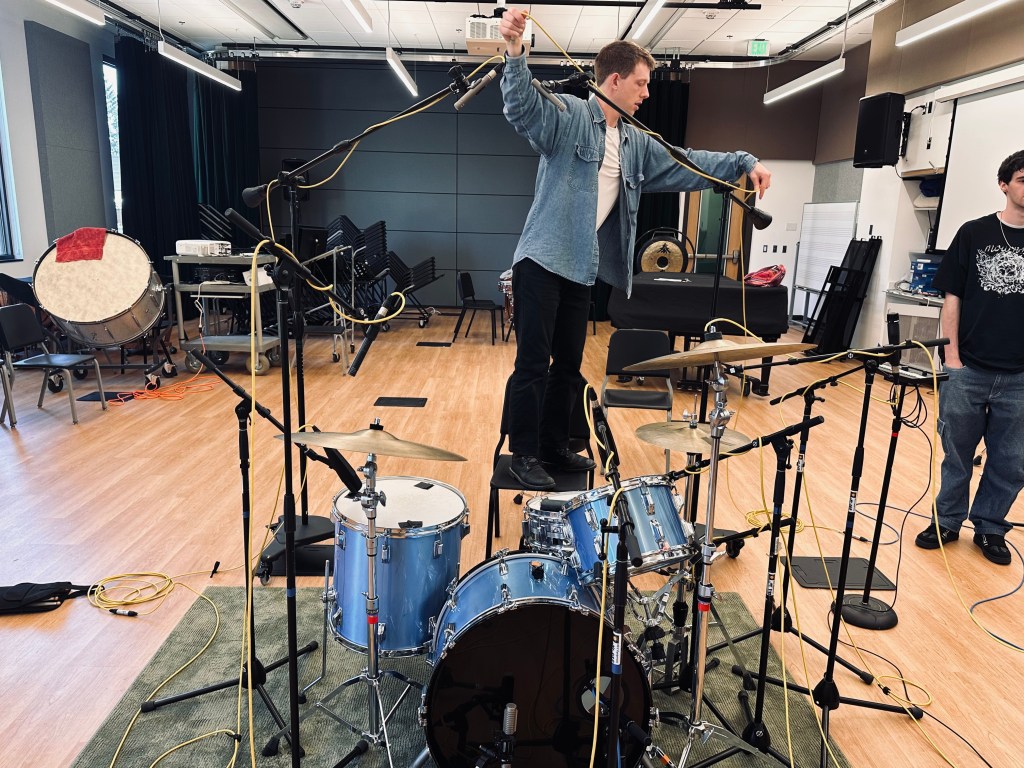
Guitar recording (Audient 8024)
Piano recording (Audient 8024)
Sound design is something that was introduced to me during my studies here. I had never done projects like these, but I thoroughly enjoyed the process. Being able to layer and manipulate sounds until they fit perfectly with what’s on screen is a skill I have been developing over time. There is never a single right way to do something in the audio industry, and no other mixing process stays true to this or fascinates me more than film sound design.
“Da’ Scoop” PBS Kids
Voiced and designed by Jamal Conyers (Me)
Scene from Kill Bill
Voiced by Lily Taylor, Carly Besterman, Jamal Conyers and Dane Keckley
Ongoing project – Currently writing music for it.
Scene from Wall-E
My first sound design project
Voiced and designed by Jamal Conyers (Me)
The ability to polish and deliver clean vocal audio is a fundamental skill for an audio engineer because the voice is often the focal point of a recording. Through techniques such as noise reduction, equalization, compression, de-essing, and volume automation, I ensure that vocals are clear, intelligible, and emotionally impactful. Producing clean voice recordings enhances the listener’s experience, improves the overall quality of a production, and ensures professional results across music, podcast, broadcast, and multimedia projects.